Home / Articles
Rejuran Korea: Regenerative Skin Treatment at ODE Clinic 2026
Home / Articles
Rejuran Korea: Regenerative Skin Treatment at ODE Clinic 2026
Your skin used to glow effortlessly. The texture was smooth, the luminosity was there, and people would ask what you were doing differently. Then time, sun exposure, stress, and the natural aging process changed that - and no amount of serums or sheet masks seems to restore what you had. You've tried everything topical. Now it's time to try what Korean dermatologists have been using for years: Rejuran, the regenerative skin booster that actually rebuilds skin quality from within.
By the end of this comprehensive guide, you'll have the complete picture of Rejuran as a skin treatment option. This isn't a quick overview - it's everything you need to make an informed decision about whether this treatment is right for you, how it compares to alternatives, what realistic results look like, and exactly how ODE Clinic's Rejuran protocol differs from what you might find elsewhere.
Specifically, you'll learn what Rejuran actually is and how the PDRN mechanism works at a cellular level, how Rejuran differs from traditional dermal fillers and other skin booster injections, real before-and-after results from American patients of different ages and skin types, the complete treatment timeline including what happens during each session and when you'll see results, how much Rejuran costs at ODE Clinic compared to US alternatives and why the price difference exists, the exact recovery timeline and what realistic post-treatment appearance looks like, how to determine if you're a good candidate for Rejuran at any age, ODE Clinic's specialized Rejuran protocol and how it delivers superior results for international patients, how Rejuran stacks with other ODE treatments for comprehensive skin rejuvenation, and your complete step-by-step process from initial inquiry to post-treatment follow-up.
Rejuran's power comes from a single active ingredient: PDRN, which stands for polydeoxyribonucleotide. This is a DNA fragment extracted from salmon sperm that has been engineered for maximum biocompatibility with human skin. The salmon-derived source might sound unusual, but it's chosen specifically because salmon DNA shares remarkable structural similarity with human DNA, meaning your skin recognizes it and doesn't trigger an immune response. This is why PDRN is so well-tolerated - your body doesn't treat it as a foreign invader that needs to be rejected or walled off.
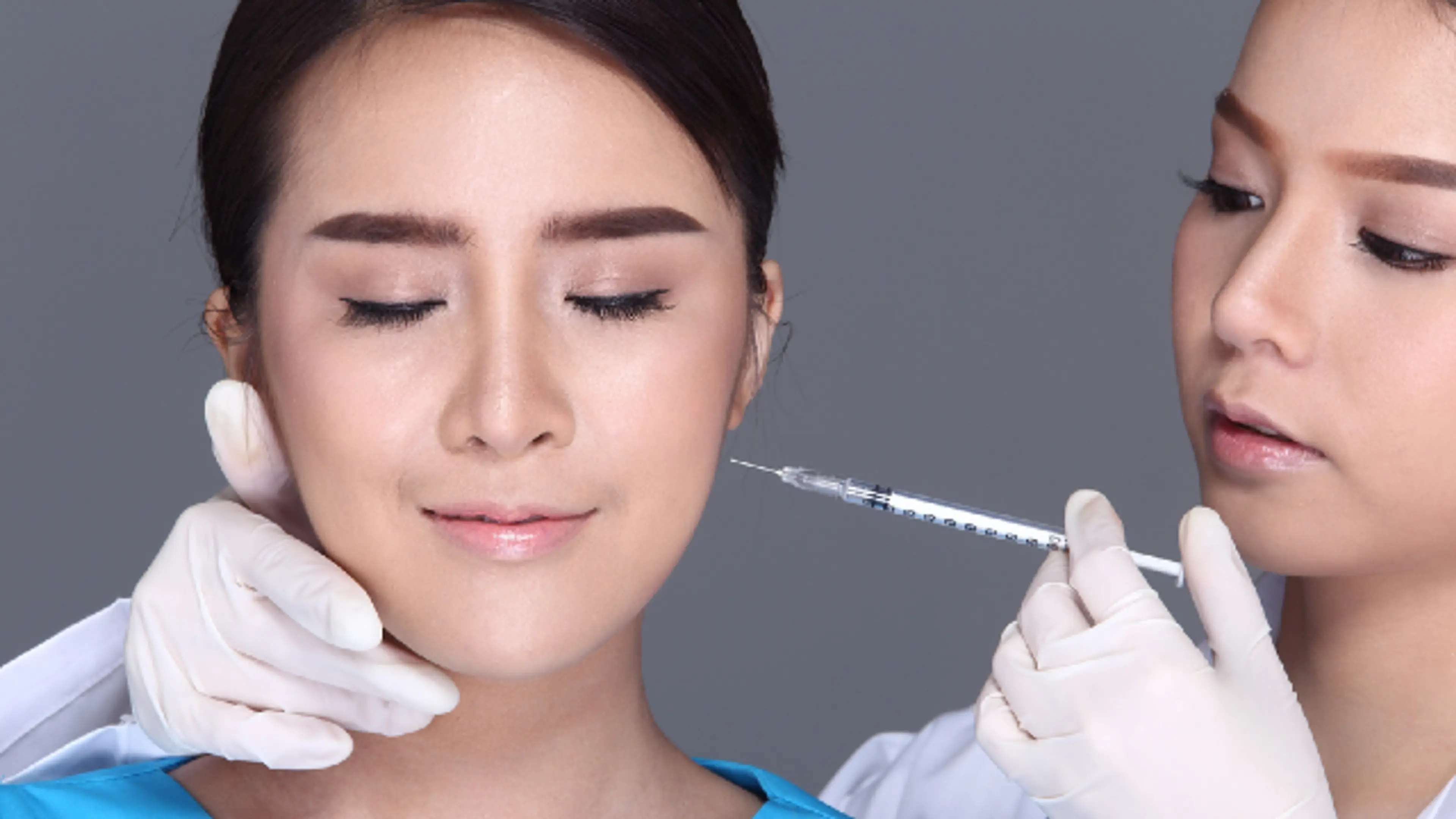
Here's where the magic happens at the cellular level. When PDRN is injected into your skin, it doesn't sit there passively like a dermal filler. Instead, it binds to adenosine receptors on the surface of fibroblasts - the cells responsible for producing collagen and elastin. This binding triggers a cascade of biological responses. Your fibroblasts essentially receive a wake-up call: "Start making more collagen." Your cells respond by increasing production of growth factors, which then stimulate the creation of new collagen and elastin fibers throughout the injection area.
The regeneration process unfolds in distinct phases. In the first week after treatment, you experience what's called the hydration effect - your skin looks plumper and more luminous immediately because PDRN draws moisture into the dermis. This is real but temporary if no collagen remodeling follows. However, starting in week two and accelerating through week four, your fibroblasts are actively producing new collagen. This is neocollagenesis, the actual structural improvement in your skin. By week six through twelve, this new collagen has integrated into your skin's matrix, creating measurable texture improvement, refined pores, and sustained luminosity that isn't just hydration anymore - it's actual structural change.
This is the fundamental difference between Rejuran and fillers. A hyaluronic acid filler sits under your skin like a cushion, immediately filling space but providing no stimulus for your body to make its own collagen. When the filler dissolves (typically within 6-12 months), the volume goes away and your skin returns to its baseline. Rejuran is completely different. It's a biostimulator, not a volumizer. It teaches your skin to rebuild itself, which is why results actually improve over time rather than immediately, and why they last longer - often 12 to 18 months or more even after the PDRN itself has been metabolized.
Understanding where Rejuran fits in the broader skin treatment landscape helps you make the right choice for your specific goals. Rejuran occupies a unique space that differs significantly from the most popular alternatives.
Traditional hyaluronic acid fillers like Juvederm or Restylane work through volume replacement. They're injected deeper into the skin and underlying tissues, physically filling space where volume has been lost due to aging. The effect is immediate - you look more lifted and fuller right after injection. However, your body treats the filler as a foreign material and gradually breaks it down. Results typically last 6 to 12 months depending on the product and your individual metabolism. The key limitation: fillers don't stimulate collagen production. Once the filler dissolves, you return to baseline, which is why filler requires ongoing maintenance if you want to maintain the results.
Sculptra represents another category: the collagen stimulator. Like Rejuran, Sculptra stimulates your fibroblasts to produce new collagen, so it's a biostimulator rather than a volumizer. However, Sculptra uses poly-L-lactic acid particles, which are larger and work differently than PDRN. Sculptra requires more sessions (typically three spaced 4 to 6 weeks apart) and takes longer to show results - usually 2 to 3 months before visible improvement appears. The benefit is that Sculptra provides structural lift and volume restoration, making it excellent for significant volume loss in mature faces. The tradeoff is that it's slower-acting than Rejuran and often requires more sessions.
Calcium hydroxyapatite (CaHA) fillers like Radiesse are hybrid products - they provide some immediate volume through the filler material itself while also stimulating collagen production. They're middle ground between pure fillers and pure biostimulators.
Rejuran stands apart because it focuses exclusively on skin quality improvement rather than volumizing or structural lift. It's the fastest-acting biostimulator available, delivering visible skin texture improvement by week 4, while Sculptra takes twice as long. It's less intense than volumizing treatments, making it ideal for younger patients seeking prevention or maintenance. And because it improves overall skin quality - not just volume - it makes other treatments (like Sculptra or HIFU) work better by improving the skin canvas they're working with.
Feature | Rejuran (PDRN) | Hyaluronic Acid Filler | Sculptra | Calcium Hydroxyapatite |
|---|---|---|---|---|
Mechanism | Biostimulator (PDRN triggers fibroblasts) | Volume replacement | Collagen stimulator | Hybrid (volume + stimulation) |
Immediate Effect | Hydration and plumpness | Obvious lift and fullness | Minimal | Moderate lift |
Visible Results Timeline | 4 weeks | Immediate | 8-12 weeks | 2-4 weeks |
Peak Results | 8-12 weeks | Day 1 | 3-4 months | 8 weeks |
Duration | 12-18 months | 6-12 months | 18-24 months | 12-18 months |
Best For | Texture, glow, prevention, all ages | Volume loss, dramatic lift | Significant volume restoration | Combination concerns |
Number of Sessions | 1-4 | 1-2 for maintenance | 3-4 typically | 1-2 |
Needle Size | 32G (ultra-fine) | 25G-27G | 25G | 27G |
Downtime | Minimal (24 hrs) | Minimal to moderate | Minimal | Minimal |
Cost per Session | $$ | $ | $$ | $ |
The most important question you have is simple: does this actually work? Not for Korean patients - for people like you, with your skin type, your age, your concerns. The answer is yes, and the results are visible, measurable, and sustained.
What you'll notice when looking at genuine Rejuran before-and-afters is not dramatic volume change or a completely different face. Instead, you'll see refined texture, reduced pore appearance, improved skin luminosity, and a complexion that looks fresher and more radiant. This is exactly what Rejuran delivers. It's not a facelift effect; it's a skin quality restoration effect.
For patients in their late twenties and early thirties (like Katie, who's pursuing preventive Rejuran), the improvements are subtle but meaningful. Her skin already looks good, but after Rejuran, the pores are noticeably smaller, the texture is smoother, and the glow is more obvious in natural light and photos. These subtle improvements prevent future texture and elasticity problems and establish healthy collagen foundations early.
For patients in their forties and fifties (like Melissa), the changes are more dramatic. Accumulated sun damage, stress, and years of environmental exposure have created visible texture roughness and dullness. Rejuran addresses both. Her skin visibly smoothes, the rough texture refinement is obvious, and the luminosity improvement makes her entire face appear fresher and more vital. The transformation isn't a different person - it's her, but with dramatically improved skin quality.
The key to interpreting before-and-afters honestly is understanding what you're looking at. Compare photos taken in the same lighting conditions at the same time of day. Note the timeline - most dramatic improvements appear between week 4 and week 12, not immediately. Observe skin texture, pore size, luminosity, and overall radiance rather than looking for volume or lift changes. Results vary based on individual baseline skin condition, healing response, and adherence to aftercare protocols. Someone with significant sun damage will see more obvious improvement than someone with already-healthy skin seeking maintenance.
Understanding exactly when you'll see results is critical for managing expectations and planning your trip timeline. Rejuran's results unfold in predictable phases that you should know about.
The moment the treatment ends, your skin will appear slightly red and possibly mildly swollen - this is expected and temporary. Within hours, this redness fades significantly. Your skin will feel noticeably hydrated and plump, almost "juicy." This is the PDRN hydration effect, and it's real but temporary if considered in isolation. You can apply makeup after 4 to 6 hours, and most patients return to normal activities immediately. This first 72 hours is when you might receive a comment like "Your skin looks glowing!" - that's hydration working.
Redness has completely resolved in almost all patients. Your skin texture begins subtly improving - you might notice it feels smoother rather than seeing a dramatic difference. Luminosity is noticeably improved; people often describe this as "fresher looking." Your skin has a visible glow that seems to come from within rather than a surface shine. Slight firmness may develop as your fibroblasts begin responding to the PDRN signal and collagen remodeling initiates.
This is when results become unmistakable. Your skin texture is visibly smoother - roughness that was there before treatment is noticeably reduced. Pores appear smaller and less prominent. The glow has intensified and people often comment that you look "lit from within" or reference the popular term "glass skin" - that luminous, poreless, radiant appearance. Fine lines around your eyes and mouth appear softer due to improved hydration and early collagen deposition. This is typically when patients report receiving unprompted compliments on their skin from friends and colleagues.
Peak visible results typically arrive by week 6 to week 8. Your texture refinement is optimal, luminosity is sustained and beautiful, your complexion appears clearer, and pore size reduction is at its most obvious. Patient satisfaction is highest during this phase because the results feel transformative without looking overdone. If you're doing multiple sessions, the timeline for second session is typically at the end of this window (around week 4) to allow collagen remodeling from session one to reach its maximum before session two begins.
Results plateau and stabilize - continued improvement is slower than the dramatic gains from weeks 4 to 8, but the changes remain measurable. Collagen remodeling continues at the cellular level even if visible changes from week 8 to week 12 are subtle. Results begin very gradually declining as PDRN is metabolized and your body's collagen production returns to baseline, but this decline is slow and subtle.
Results remain visible and maintained in most patients. The gradual decline in effect that began around week 8 continues, but for many patients the improvement is still obvious at the six-month mark. This is when you make the decision about repeat treatment - some patients choose a maintenance session at month 6, while others wait until month 9 to 12 to repeat the full protocol.
Rejuran works across the full age spectrum, but the goal and benefit changes depending on your age and skin condition.
If you're Katie's age (late twenties), Rejuran is a preventive tool, not a corrective one. Your skin probably looks pretty good, but you're interested in establishing healthy skin foundations early and preventing the texture issues and elasticity decline that happen in the forties and fifties. Preventive Rejuran improves texture from sun damage or mild acne scarring, enhances your natural luminosity, and strengthens your skin barrier at the cellular level. You can have a single Rejuran session as a one-time investment or repeat it once or twice yearly for ongoing maintenance. The specific benefit is that early collagen investment through Rejuran now literally pays dividends - prevention is substantially easier and cheaper than correction later.
In your forties (like Whitney), your skin is showing early signs of aging - fine lines becoming more noticeable, texture becoming slightly rougher, subtle dullness where your youthful glow used to be obvious. This is the perfect window for Rejuran as a maintenance and early correction tool. You're addressing concerns before they become major problems. You might do two to three sessions of Rejuran in a single trip or spaced across two trips six months apart, depending on how intensive you want to be. The benefit is dramatic skin quality restoration that makes you look like yourself again, but better - and Rejuran pairs beautifully with other treatments in a comprehensive protocol if you want a more dramatic transformation.
By your fifties (like Melissa), accumulated sun exposure, stress, and years of aging have created visible texture roughness, significant dullness, and elasticity decline. This is where Rejuran shines most dramatically. The texture transformation is profound because your skin has the most texture compromise to address. You'll typically do a more intensive protocol - three to four sessions in a single trip (spaced weekly or biweekly) to maximally stimulate collagen remodeling. The results are often transformative: texture roughness visibly smooths, luminosity returns, and your entire face appears fresher and more vital. Rejuran also works synergistically with volumizing treatments like Sculptra and skin lifting treatments like HIFU, making them appear more effective by improving the skin quality those treatments are working with. Here's the critical insight: Rejuran is never "too late." Mature skin often sees the most dramatic improvement because it has the most texture compromise to address.
Direct answer: Yes. Rejuran works effectively on all skin types - Caucasian, Latina, African, Middle Eastern, and Asian. This is a science-based fact, not opinion.
The reason there's confusion is that most before-and-afters online are from Korean and Asian patients simply because most Rejuran treatments are administered in Korea. This creates a false impression that Rejuran is exclusively for Asian skin or that it was designed for Asian skin. This is incorrect. The PDRN mechanism is universal - it triggers fibroblast activation regardless of ethnicity, skin tone, or genetic background. Your fibroblasts don't know your ancestry; they respond to PDRN stimulation the same way regardless.
What does vary slightly by skin type is the treatment technique and how visible the results appear:
For Caucasian and fair skin, the response is excellent - results are visible quickly because fair skin is more transparent and allows you to see texture refinement easily. There's a slightly higher chance of temporary redness (you can see it more against fair skin), but redness resolves within 24 hours in the vast majority of cases and is completely normal.
For Latina and Mediterranean skin, results are outstanding - the technique is identical to fair skin, and the rich skin tone actually makes the glow effect more dramatic and beautiful. There's lower risk of visible temporary redness because darker skin tones mask inflammation more effectively.
For African and darker skin tones, results are striking - the luminosity improvement and glow effect is even more visually obvious because the contrast is more pronounced. Some practitioners recommend slightly modified needle depth for extremely dark skin (superficial rather than mid-dermal), but this is technique refinement, not because Rejuran works differently. ODE Clinic's protocol specifically accounts for individual skin type variations.
For combination and sensitive skin, Rejuran works beautifully - PDRN actually soothes sensitivity and improves barrier function, making it an excellent choice even for reactive skin.
One of the biggest differences at ODE Clinic compared to high-volume Gangnam clinics is how Rejuran is approached from the very beginning. The process starts not with a generic consultation form or a coordinator intake, but with a personalized video consultation with your treating board-certified dermatologist.
During this consultation, Dr. Kim or another ODE dermatologist assesses your individual skin condition with specific attention to baseline texture, pore size, luminosity, sun damage, sensitivity level, previous treatments, and your specific goals. The goal is to understand where you're starting from and where you want to go. Katie's skin is already good and needs prevention. Melissa's skin has significant texture damage and needs restoration. These are completely different protocols even though they use the same product.
After this assessment, you receive a personalized treatment plan that specifies exactly how many sessions you need, the timing between sessions, whether combining Rejuran with other treatments makes sense for your goals, and specific product recommendations if variants exist. This written plan is confirmed before you arrive in Seoul, eliminating surprise changes or upselling when you arrive. The consultation is conducted in English with a doctor who speaks fluently, so there's no language barrier or miscommunication.
Why does this personalization matter? Because a one-size-fits-all approach doesn't work in aesthetic medicine. Katie at 29 seeking preventive maintenance might receive a single session or two sessions spaced six months apart. Melissa at 52 with significant skin texture damage might receive a four-session intensive protocol spaced strategically two to four weeks apart, potentially combined with skin laser, RF treatments, or other modalities depending on her comprehensive goals. The treatment is the same PDRN product and same basic mechanism, but how it's deployed is completely personalized.
At ODE Clinic, the Rejuran product used is clinical-grade PDRN at optimal concentration for skin stimulation. The delivery method is meticulous: 32-gauge (ultra-fine) needles that minimize tissue trauma, precise depth control that targets the optimal zone for fibroblast stimulation, and strategic injection patterns across the full face, neck, and décolletage as appropriate for your concerns.
For a standard multi-session protocol (which is most common for optimal results), sessions are typically spaced two to four weeks apart. This spacing is strategic - it allows collagen remodeling from one session to progress before the next session begins, creating a compounding effect where each subsequent session builds on the collagen foundation from previous sessions.
Here's how the sessions typically unfold:
Session one establishes the foundational collagen stimulation. Your fibroblasts receive the PDRN signal and begin the remodeling process. You may feel slightly stronger sensation during this first session since your skin is naive to the treatment, but there's no significant pain - it's more pressure than discomfort. Recovery is minimal, and you can return to normal activities immediately.
Session two, arriving two to four weeks after session one, builds on the collagen response from session one. This is typically when patients report first visible results in terms of texture refinement and luminosity improvement. Your fibroblasts are now responding robustly to the signal, and you're seeing the payoff.
Session three, another two to four weeks later, hits the peak of the collagen remodeling phase. Most dramatic results are visible after this session. Texture improvement is obvious, luminosity is beautiful, and patient satisfaction is highest at this stage.
Session four, if your protocol includes it (typically for patients with significant texture concerns or choosing an intensive approach), is a maintenance and enhancement session that further refines results. Not all patients need session four, which is why the personalized assessment determines your specific plan.
Rejuran integrates strategically with other ODE treatments. It can be done the same day as gentler treatments like MiraJet laser, or sequenced on different days with more aggressive treatments like HIFU or radiofrequency treatments. The key is intelligent sequencing to maximize results without over-treating. Rejuran works synergistically with Sculptra (Rejuran improves skin quality, Sculptra restores structure) and with treatments that strengthen the skin barrier, making it an ideal foundation for comprehensive protocols.
Transparency about cost is important because international travel for aesthetic treatments requires real financial planning, not vague pricing that changes when you arrive.
At ODE Clinic for 2026, a single Rejuran session costs approximately $550 to $650 USD, depending on whether you're doing face only or including neck and décolletage. A double session package (two sessions scheduled in a single trip) costs approximately $1,000 to $1,200 USD. A triple session protocol costs approximately $1,400 to $1,700 USD. A four-session intensive protocol costs approximately $1,800 to $2,100 USD.
What's included in each session is important to understand. You receive an initial skin assessment and professional photography documenting baseline and progress, the clinical-grade PDRN product delivered to full face, neck, and décollletage as appropriate, a 30 to 45 minute treatment session with a board-certified dermatologist, post-treatment care instructions and aftercare products (sunscreen and gentle cleanser), and virtual follow-up consultations at two weeks and six weeks post-treatment. You also receive direct WhatsApp access to your clinic coordinator for any post-treatment questions during recovery.
What's not included and is the patient's responsibility are flights to Seoul (typically $400 to $900 round trip from major US cities), hotel accommodation ($60 to $200 per night depending on luxury level, typically 4 to 7 nights needed), ground transportation in Seoul (often included or nominal depending on package), meals and activities during your stay, and optional travel insurance ($40 to $100 for medical tourism coverage, recommended but not required).
Let's do real math comparing a Seoul trip to pursuing Rejuran in the United States.
If you're Whitney in New York City seeking three Rejuran sessions, a typical med spa charges $600 to $800 per session. Three sessions cost $1,800 to $2,400 plus consultation fees. If you're Katie in Los Angeles, you're looking at $550 to $750 per session for three sessions, totaling $1,650 to $2,250. If you're Melissa in Miami, pricing is similar: $600 to $800 per session, totaling $1,800 to $2,400 for three sessions.
A Seoul trip following ODE's three-session protocol breaks down as: $1,400 to $1,700 for treatments, $500 to $900 for flights (assume $650 average), $400 to $600 for four-night hotel (assume $500 total), and minimal food and activity costs if you're keeping it simple, arriving at a total trip cost of approximately $2,850 to $3,700.
Wait - that looks more expensive than US pricing at first glance. But here's the critical insight: you're getting substantially more value from the Seoul trip beyond just the treatment itself.
First, treatment quality. The Rejuran product is identical - it's the same PDRN from the same manufacturer whether you get it in New York or Seoul. But ODE Clinic delivers it through a personalized 1:1 protocol with a 15+ year specialist dermatologist, not a generic med spa protocol administered by an aesthetician. The clinical expertise is fundamentally different.
Second, additional value from the trip. At ODE Clinic, you can combine Rejuran with other treatments in the same visit - maybe add MiraJet laser for additional luminosity, or combine with Sculptra for comprehensive facial rejuvenation. Achieving this comprehensive approach in the US would require multiple visits spread across weeks or months at multiple clinics, dramatically increasing total cost.
Third, follow-up support. ODE provides six-month virtual follow-up consultations with your doctor. Most US med spas provide minimal post-care support beyond initial instructions. The ongoing doctor access is valuable.
Fourth, the wellness experience. This often gets overlooked, but medical tourism to Seoul offers cultural immersion, the wellness pilgrimage experience, and travel value that enhances satisfaction with the investment.
Fifth, price point honesty. Seoul's lower pricing isn't because of cutting corners - it's because the business infrastructure cost in Seoul is different than in Manhattan or Beverly Hills. Rent, staff salaries, regulatory overhead, and supply chain costs are substantially lower in Korea than in major US metros. High treatment volume allows ODE to run efficiently without sacrificing quality. You benefit from this structural difference.
What happens immediately after your Rejuran treatment is important for managing your expectations about going out in public or returning to normal activities.
In the immediate two hours after treatment, you'll experience some redness at the injection sites - this is completely normal and expected. Your face will feel warm or flushed, a sensation that typically resolves within one to two hours. Your skin will feel very hydrated and plump due to the PDRN hydration effect. You might notice mild swelling, but this varies - some patients see barely perceptible swelling while others notice moderate swelling that resolves quickly. Pain or significant discomfort is extremely rare because the needles are ultra-fine and the injection creates minimal tissue trauma.
During the first 12 hours, redness fades significantly in most patients. Any mild swelling may still be present but starts improving. You can apply makeup four to six hours after treatment if desired - just use gentle application technique. Resume your normal skincare routine with gentle products. Avoid very hot water, intense exercise, and alcohol for the first 24 hours.
By 24 to 48 hours post-treatment, redness is almost completely resolved in the vast majority of patients - probably 80 to 90 percent have minimal visible redness remaining. Swelling is completely gone or barely noticeable. Any remaining swelling or redness is evident primarily to you, not to other observers. Your skin texture may feel slightly tight or sensitive, which is normal and temporary. You can resume full makeup use, normal exercise, and typical social activities. Begin applying hydrating serums and moisturizers to support the healing process, but avoid active ingredients like retinoids for the first 48 hours.
Honest side effects breakdown: redness occurs in 100 percent of patients (expected, not a problem), but 90 percent see it resolve within 24 hours. Mild swelling occurs in 60 percent of patients and moderate swelling in 10 percent - swelling resolves within 24 to 48 hours for most. Bruising is rare, occurring in only 10 to 15 percent of patients and usually minimal. Sensitivity happens in 30 percent of cases and is temporary, resolving within 48 to 72 hours. Serious adverse events like infection or allergic reaction are extremely rare, less than 1 percent, and avoided through proper aftercare.
By day three to seven post-treatment, all redness and swelling are completely resolved. Your skin texture is already noticeably improving - this is when texture refinement becomes visually apparent. You can resume all normal activities, makeup, and skincare without restrictions. Your skin's luminosity is becoming noticeable, and this is often when friends comment that you look refreshed.
By week two through week four, texture improvement is obvious, the glow is becoming more apparent, and you can resume advanced skincare including retinoids, vitamin C serums, and active ingredients. Collagen remodeling is accelerating, and this is typically when most patients report receiving unsolicited compliments on their skin.
Here's a practical activity timeline you can reference:
Makeup is safe to apply after 4 to 6 hours. Light exercise like walking or yoga can resume immediately or by day one. Intense exercise like gym workouts or running should wait until day two or three. Swimming and hot tubs are safe by day three or four. Saunas and steam rooms should be avoided for at least one week. Flying is safe by day two or three - there's no specific contraindication, though some patients prefer waiting 24 to 48 hours. Social and professional events are perfectly fine by day two or three.
Your post-treatment skincare protocol is straightforward. Cleanse gently with a non-foaming cleanser twice daily. Hydrate with a hydrating toner or essence - Korean skincare products are particularly excellent for this. Moisturize richly with a moisturizer or facial oil appropriate to your skin type. Protect daily with SPF 30 or higher - sun protection is critical because it supports collagen remodeling and prevents sun damage from undoing your investment. Avoid retinoids and acids for 48 hours post-treatment, and avoid harsh scrubs for the first week. You can optionally take supplements that support collagen production - collagen peptides, vitamin C, and hyaluronic acid are evidence-based choices to discuss with your doctor.
Dr. Do-hoon Kim brings 15+ years of specialized experience in aesthetic dermatology, specifically in regenerative injectables and biostimulating treatments. He graduated from Yonsei University College of Medicine, one of Korea's top medical schools, and completed additional specialization focused on advanced fillers, skin boosters, and regenerative treatments. He's a board-certified dermatologist, member of the Korean Academy of Aesthetic Dermatology, and an international speaker on regenerative skin treatment protocols.
The patient volume speaks to expertise: ODE administers 600+ aesthetic procedures annually, including over 200 Rejuran treatments specifically to American and international patients. This isn't a clinic that dabbles in Rejuran occasionally - it's a core specialization where hundreds of American patients have been treated over years.
What's particularly relevant to international patients is Dr. Kim's specific experience and fluency with American patients. He understands Western skin concerns, American beauty standards, and international patient expectations in ways that many Korean doctors don't, even if their overall dermatology credentials are excellent. He's fluent in English and communicates directly with patients throughout the process.
ODE Clinic fundamentally rejects the high-volume factory clinic model that dominates Gangnam. The clinic philosophy is built on one-to-one personalized assessment and care. Every patient receives a personalized consultation with their treating doctor - not a coordinator, not a salesperson - with a board-certified dermatologist. This consultation produces a personalized treatment plan that accounts for your individual skin condition, concerns, goals, and preferences.
The clinic intentionally limits daily patient numbers to ensure quality time and personalized attention. This isn't a logistics choice; it's a deliberate commitment to quality over volume. The same doctor who does your consultation also performs your treatment - there's no bait-and-switch where you meet with a famous doctor and then are treated by junior staff. Continuity of care is built into the system.
Post-treatment support extends beyond the clinic walls. You receive virtual follow-up consultations at two weeks and six weeks post-treatment with your doctor. You have WhatsApp access to your clinic coordinator for any questions that arise during recovery. The team is trained specifically on American and international patient expectations, communication preferences, and cultural differences. You're not treated as a tourist transaction; you're treated as an individual patient.
Why does this matter? Katie wants an authentic clinic that feels curated and personal, not industrial. Melissa wants to feel cared for as an individual, not processed as one of 20 patients the doctor sees that day. ODE's philosophy directly addresses both these needs.
ODE Clinic has created infrastructure specifically for American and international patients. The entire English-speaking team - doctors and coordinators - communicate fluently. All written communication including your personalized treatment plan, pre-treatment instructions, and post-treatment guidelines are provided in English. There's no language barrier or miscommunication risk.
A patient concierge service helps with flights, hotel recommendations at various price points, transportation in Seoul, dining suggestions, and post-treatment activity planning. This is a significant value-add because international travel for aesthetic treatment involves logistical decisions beyond the medical aspect.
Virtual consultations are available pre-trip so you can meet your doctor and confirm your treatment plan before arriving in Seoul. Post-treatment, virtual follow-ups via video mean you don't need a second in-person trip to check in with your doctor - the follow-up happens remotely. This is more convenient and cost-effective than competing options that require in-person follow-up.
Access to an ODE patient community connects you with other American patients who've undergone treatment - a private WhatsApp group and Instagram community where you can ask real patients real questions about their experience. This peer support is often as valuable as clinical information because it's honest, unfiltered feedback from people in your exact situation.
Your journey starts by scheduling a free virtual consultation with a board-certified dermatologist at ODE Clinic. Contact the clinic via WhatsApp, Instagram DM, email, or web contact form. During this 30 to 45 minute consultation with your treating doctor, you'll discuss your skin concerns, your candidacy for Rejuran, potential protocol options (single session versus multi-session), transparent pricing, and trip planning logistics.
There's no cost for this consultation, and the goal is to ensure you have complete information before committing to the trip. You'll receive a personalized assessment, specific treatment recommendations, and a quotation based on your individual plan. You can ask any questions - the doctor is available for detailed discussion.
Contact methods for initial inquiry:
WhatsApp or KakaoTalk: Message the clinic with a brief overview of your skin concerns and goals. You'll be connected with the English-speaking coordinator who will schedule your doctor consultation.
Email: Send a message describing your skin condition, specific concerns, age, and treatment goals. Include before photos if available.
Instagram DM: Reach out via the ODE Clinic Global Instagram account for quick scheduling.
Website: Use the consultation booking form at the ODE website to submit your information and requested consultation time.
After your consultation with the doctor, you'll receive a written treatment plan that specifies your recommended number of Rejuran sessions, spacing between sessions, total cost and payment options, pre-treatment preparation instructions specific to your plan, and suggested trip duration and timing.
Review this plan carefully and confirm it matches your understanding from the consultation. You have opportunity to ask clarifying questions - the doctor remains available if anything needs adjustment or explanation. Once confirmed, you proceed with booking.
With your treatment plan confirmed, you work with the ODE Clinic team to coordinate all trip logistics. This includes scheduling your treatment appointment dates and times, recommending ideal stay duration based on your protocol, providing hotel recommendations at various price points near the clinic, suggesting flight options from your US city, arranging ground transportation in Seoul if desired, and processing your deposit (typically 20 to 30 percent of total treatment cost to hold your appointment dates).
You'll receive a comprehensive pre-treatment preparation guide approximately two weeks before your arrival that details skincare adjustments, supplements that support results, what to bring, what to avoid before treatment, and what to expect in detail.
Contact Information:
Phone: +82 2 569 0222
Location: 8th Floor, Kyungwon Building, 340 Gangnam-daero, Gangnam-gu, Seoul, South Korea.
A. Rejuran uses ultra-fine 32-gauge needles, among the finest available for injectable treatments. Most patients describe the sensation as a very mild pinch or gentle pressure rather than pain. The treatment feels similar to standard facial injections but potentially gentler due to the superficial depth and multiple fine lines of injection. Discomfort is minimal - if you've had Botox or fillers before, Rejuran feels comparable or easier. ODE Clinic doctors can apply numbing cream beforehand for patients with needle sensitivity, completely eliminating discomfort.
A. This depends entirely on your individual goals and baseline skin condition. Some patients see the benefit they want from a single session and choose to repeat once or twice yearly for maintenance. Other patients prefer multiple sessions (typically three to four) spaced two to four weeks apart for more comprehensive collagen stimulation. Your personalized consultation with Dr. Kim will determine the specific protocol recommended for your skin and goals. There's no one-size-fits-all answer.
A. Absolutely, and this is one of ODE Clinic's specialties. Rejuran can be combined with MiraJet laser, gentler facial treatments, and skin barrier strengthening treatments in the same trip. More aggressive treatments like HIFU or radiofrequency treatments are done on different days to avoid over-treating. The synergy between Rejuran (which improves skin quality) and Sculptra (which restores structure) is particularly powerful. Your doctor will create a comprehensive protocol that sequences treatments intelligently.
A. Rejuran results typically last 12 to 18 months, making it one of the longest-lasting skin booster treatments available. Duration varies based on individual metabolism, lifestyle factors like sun exposure and stress, sleep quality, and skincare consistency. Most patients notice gradual decline around the 12-month mark and choose either a single maintenance session or a repeat full protocol. Some patients maintain Rejuran results with twice-yearly sessions for continuous skin quality improvement.
A. ODE Clinic operates on a personalized 1:1 model rather than high-volume factory approach. Every patient receives initial consultation with the treating board-certified dermatologist, a customized protocol rather than standard package, and doctor-led treatment rather than delegation to junior staff. Additionally, ODE provides six-plus months of virtual post-treatment follow-up with your doctor - significantly more support than typical Gangnam clinics. This personalization and continuity of care is what American patients specifically value.
A. Yes. Rejuran works effectively on Caucasian, Latina, African, Middle Eastern, and Asian skin. The PDRN mechanism is universal - it triggers fibroblast activation regardless of ethnicity or skin tone. The reason you see mostly Asian before-and-afters online is geographic (most Rejuran is administered in Korea), not because it's specifically for Asian skin. In fact, darker skin tones often show the luminosity and glow improvement even more dramatically because the contrast is visually more obvious. ODE's protocol personalizes needle depth and technique based on individual skin type.
A. Two weeks before treatment, avoid intense sun exposure and sunburn risk. Avoid blood-thinning medications if possible (discuss with your doctor - some are safe to continue, others should be paused). Avoid retinoids and intense skincare actives for three to five days before treatment, switching to gentle cleansing and basic moisturizing. Avoid alcohol consumption for 24 hours before treatment, as it increases bruising and swelling risk. Avoid scheduled vaccinations for at least one week before treatment. Beyond these basic precautions, you can maintain your normal routine.
A. Yes. You can fly as early as 24 to 48 hours after treatment if needed. There's no specific medical contraindication to flying post-Rejuran. However, most patients prefer waiting 48 hours to ensure redness has fully resolved and they feel comfortable in public. For your trip to Seoul for treatment, you can fly home 48 hours after your final session with complete confidence.
A. No. Rejuran is an aesthetic treatment, not medically necessary, so it's never covered by health insurance whether you get it in the US or internationally. ODE Clinic accepts payment via credit card, bank transfer, cryptocurrency, or payment plans in some cases. Discuss payment options during your consultation if you have specific preferences.
A. Yes. PDRN has decades of clinical use in Korea with an excellent safety profile. There are no known serious long-term complications from Rejuran. The treatment works with your body's natural processes (stimulating your own fibroblasts to make collagen) rather than introducing permanent foreign material. Maintenance treatments can be safely continued indefinitely without concern about cumulative adverse effects.
A. PDRN is the fastest-acting skin booster, delivering visible results by week four versus weeks eight to twelve for alternatives like Sculptra. PDRN focuses on skin quality improvement (texture, glow, pore refinement) rather than volumizing or structural lift. The mechanism is slightly different - PDRN triggers a gentler, more physiologic collagen response compared to collagen stimulators like Sculptra. For younger patients or those seeking prevention, Rejuran's gentleness and speed are major advantages. For dramatic volume loss correction, Sculptra might be more appropriate - your doctor helps determine the best choice.
A. Rejuran works well with any good skincare routine, but certain products maximize results. Use hydrating essences or toners (Korean skincare style), rich moisturizers, and SPF protection daily. Collagen-supporting supplements like collagen peptides, vitamin C, and hyaluronic acid are complementary. Avoid irritating actives like strong acids or retinoids for 48 hours post-treatment. Beyond these basics, your regular skincare is fine - you don't need to buy special products to see results from Rejuran.
A. Yes, and Rejuran is actually excellent for sensitive skin. PDRN has soothing and barrier-strengthening properties, which means Rejuran often improves sensitivity rather than triggering it. If you have active inflammation, rosacea flare, or active acne breakout, it's best to delay treatment until your skin calms. But chronically sensitive skin actually responds beautifully to Rejuran.
A. You'll notice improvements in texture refinement (skin feels smoother, roughness decreases), pore appearance (pores look noticeably smaller), skin luminosity (your skin looks glowing and lit from within), and overall radiance (people comment that you look fresh or well-rested). These changes are gradual, becoming obvious around week four and peaking around week eight. Your doctor will provide before and after photos at your week six follow-up, which provides objective documentation of improvement beyond what you perceive subjectively.
Rejuran represents a fundamental paradigm shift in how skin quality is approached - moving from reactive correction of damage to regenerative rebuilding of skin from within. For Katie in her late twenties, Rejuran is preventive investment that establishes healthy skin aging trajectory and prevents texture issues before they develop. For Melissa in her fifties, Rejuran is transformative restoration that reclaims skin quality she believed was permanently lost to time and sun exposure. What both personas discover through genuine Rejuran treatment is that results aren't just visible - they're sustained, lasting 12 to 18 months with manageable maintenance protocols that keep skin quality elevated without requiring extreme measures.
Over 15 plus years and 600 plus annual procedures, Dr. Do-hoon Kim and ODE Clinic's dermatology team have refined Rejuran protocols that deliver consistently excellent results for American and international patients of all skin types and ages. The combination of clinical expertise, personalized methodology, and comprehensive post-treatment support means you're not just getting an injection - you're getting a curated skin rejuvenation experience backed by board-certified dermatology and genuine commitment to your individual transformation.
Phone: +82 2 569 0222
Location: 8th Floor, Kyungwon Building, 340 Gangnam-daero, Gangnam-gu, Seoul, South Korea.